 New Silence S02 Made for the streets

How to reduce waste responsibly
How to recycle used batteries properly
Safety recommendations for the use of high-performance batteries
Steps to follow if there's an emergency
Meanings of labels and symbols on batteries
Users can play a vital role in reducing waste by doing things the smart way and promoting the reuse and recycling of batteries. This extends the life of the batteries, lowers the demand for new units and reduces their impact on the environment.
Silence vehicles can be fitted with different types of batteries:
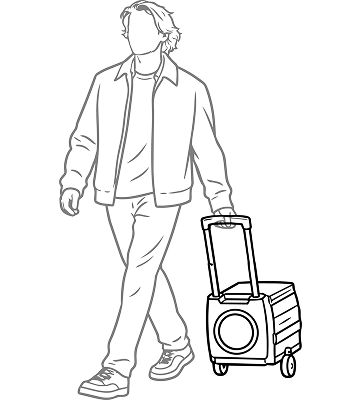
Electric vehicle batteries
A battery (or batteries) that's specially designed to supply electric power to the drive system of Silence vehicles. It weighs over 25 kg. It's fitted in all Silence 2- and 4-wheel vehicles.
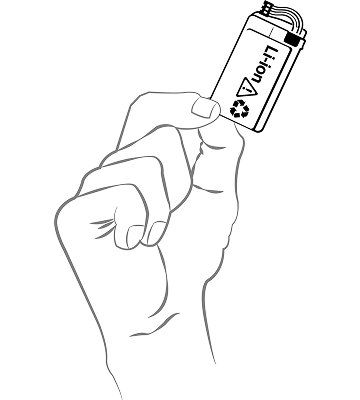
Portable battery
This is a sealed battery. The Silence battery weighs just a few grams, isn't specifically designed for industrial use and isn't an electric vehicle battery. It's also not an SLI battery (e.g. a connectivity battery). It's fitted in all Silence 2- and 4-wheel vehicles.
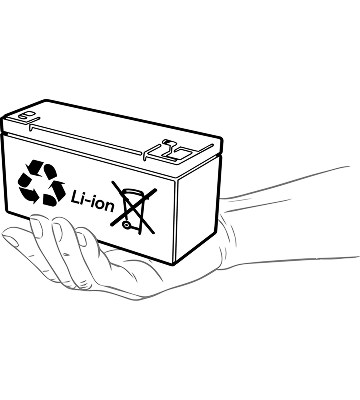
SLI battery
This is only fitted in Silence 4-wheel vehicles. This battery's used for lighting and other additional functions like door locking (it stands for Starter, Light and Ignition).
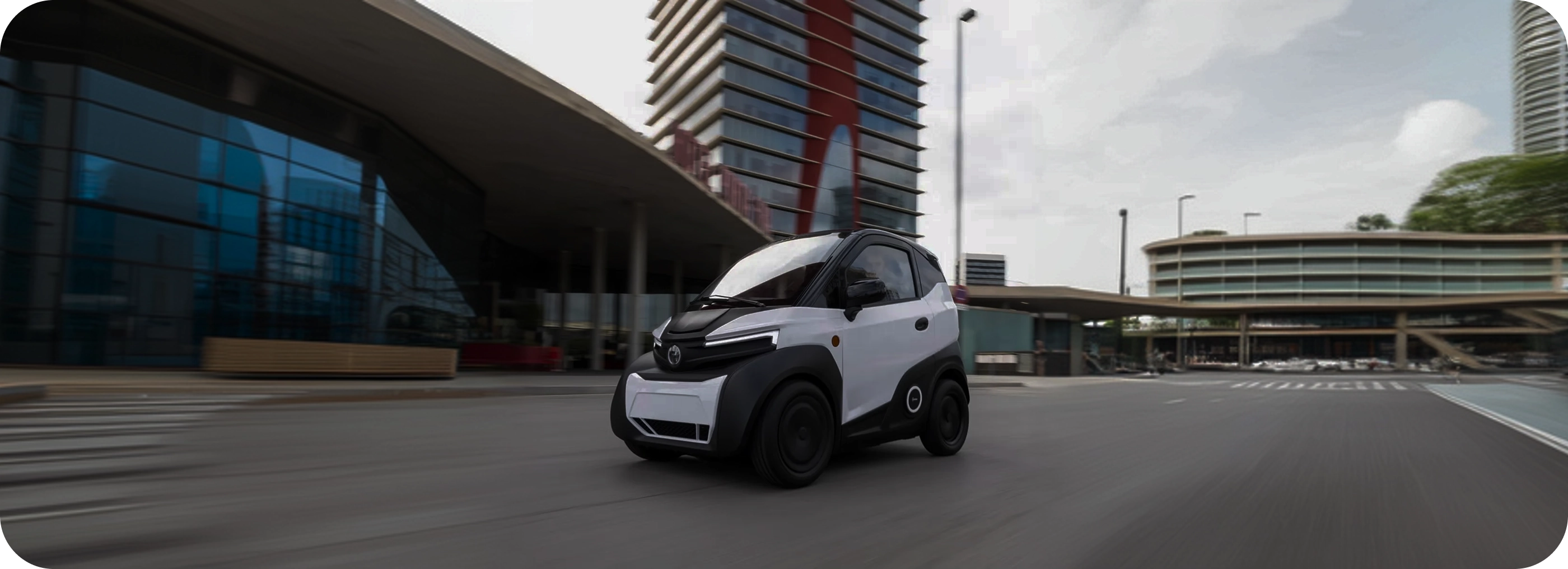
To maximise the life of vehicles' batteries and support sustainability it's important to take steps to optimise their use and make it easier to reuse, refurbish and remanufacture them.
Batteries
- Keeping batteries away from extreme temperatures and humid environments, and storing them in cool, dry places, helps to maintain their performance.
- Handle portable batteries with care to avoid damaging the casing and connectors. Avoid knocks, drops and strong impacts, because if they're physically damaged, it can cause malfunctions or safety hazards, especially in lithium-ion batteries.
- Over time, all batteries lose capacity and there comes a time when they need to be replaced. If a portable battery can no longer hold its charge properly or has stopped meeting the device's power needs, you should replace it. To do this, go to an authorised Silence centre. They will dispose of your battery responsibly.
- First of all, keep its charge at a suitable level. Regularly check that the battery is properly charged, especially when you're not using your vehicle for long periods of time. Make sure that the battery is fully charged during the winter, because cold temperatures can reduce the battery's capacity.
- Don't let the battery fully discharge; deep discharges can damage the battery. Keep the battery away from extreme heat, as this can seriously affect its performance and lifetime. Regularly check the battery for signs of corrosion, especially around the terminals. Tighten and secure battery terminals regularly to avoid any loose connections, which can cause voltage drops and poor performance.
- Corroded or loose connections can also cause starting problems or prevent proper charging. If you notice any physical damage, replace the battery right away. Even when you're not using the battery, charge it regularly to keep it healthy and regularly check and maintain the electrolyte levels. If the battery is showing signs of reduced capacity (e.g. difficulty starting the motor or dim lights), it's time to replace it. You can find additional instructions for electric vehicle and SLI batteries in the owner's manual for your vehicle.
- Over time, all batteries lose capacity and there comes a time when they need to be replaced. If a portable battery can no longer hold its charge properly or has stopped meeting the device's power needs, you should replace it. To do this, go to an authorised Silence centre. They will dispose of your battery responsibly.
Although they are different types of batteries, they are dealt with in the same way:
Our aim is to ensure that batteries that are removed from Silence vehicles are handled correctly so that they can be recycled at the end of their useful life. To comply with European regulations on batteries and accumulators, Silence has put in place systems that allow these batteries to be recycled free of charge for users.
Managing and recycling end-of-life batteries properly is essential to protect the environment and people's health. If a battery is not disposed of properly, it can release hazardous chemicals that pollute soil and water, with a serious impact on ecosystems.
Both rechargeable and non-rechargeable batteries contain hazardous components, e.g. heavy metals and other chemical compounds. These pose an environmental risk if they are disposed of with household waste. So, it's vital to separate them and dispose of them in special recycling collection systems.
To make this easier, we provide users with a free service to return used batteries at authorised collection points, to make sure that they are handled and recycled correctly. Users should use these facilities to make sure that they are disposed of responsibly and help us to recover valuable materials like lithium, cobalt and nickel, reducing the need to extract new natural resources.
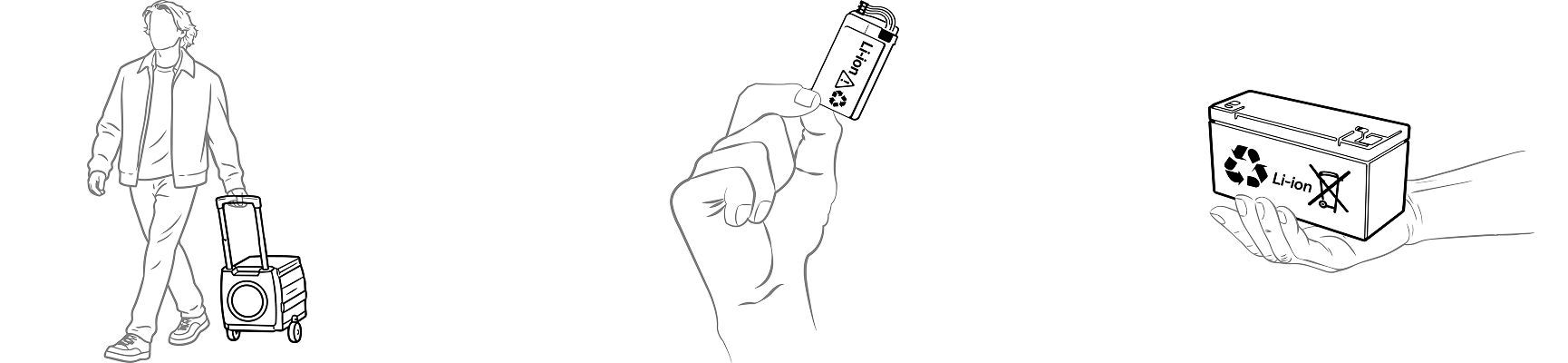
All batteries fitted in Silence vehicles have the same system that allows the removed battery to be collected free of charge by the dealership where you bought the vehicle or by any other dealer or authorised workshop in the official Silence network.
Let trained Silence personnel replace your battery
If you need more information about recycling your Silence vehicle's batteries, you can contact your local Silence dealership or authorised workshop, or call Customer Services at +34 930 41 33 80 .
Impact of batteries on people's health and the environment
Health risks
Batteries with structural damage may release corrosive substances. Any contact with these substances can cause skin irritation, various degrees of burns and breathing problems.
Overheating or misuse of the battery can lead to thermal runaway, which releases toxic vapours that are harmful to health.
Exposure to extreme temperatures or incorrect handling also increases the risk of this happening, posing a serious danger to people's safety and public health. It also increases the risk of fire due to possible leaks of flammable electrolytes.
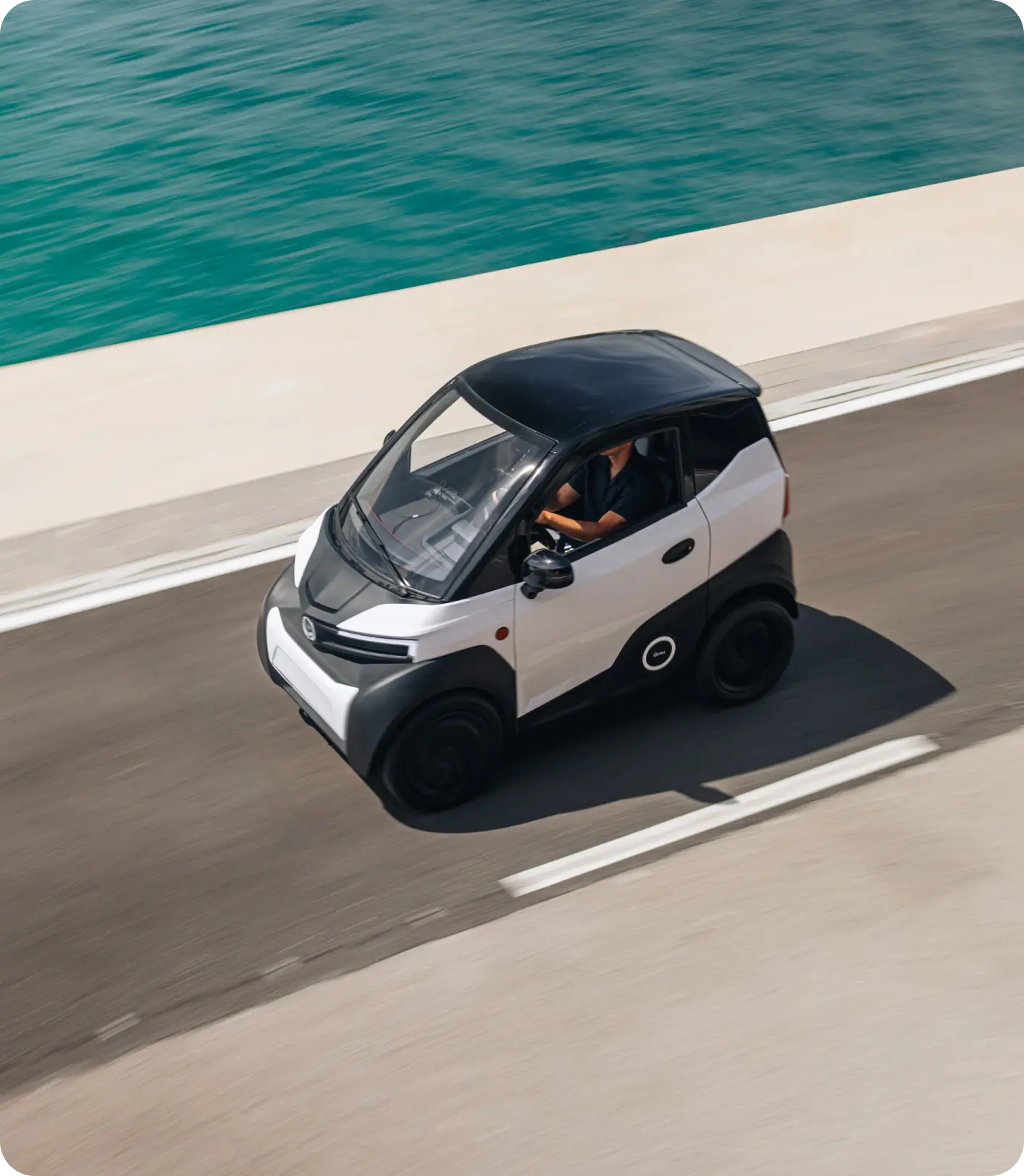
Environmental impact
Mishandling of this waste can lead to polluting discharges into the environment, damaging water and soil and seriously harming biodiversity.
End consumers are responsible for making sure that waste is disposed of correctly, to prevent environmental degradation and reduce the adverse effects of chemical agents.
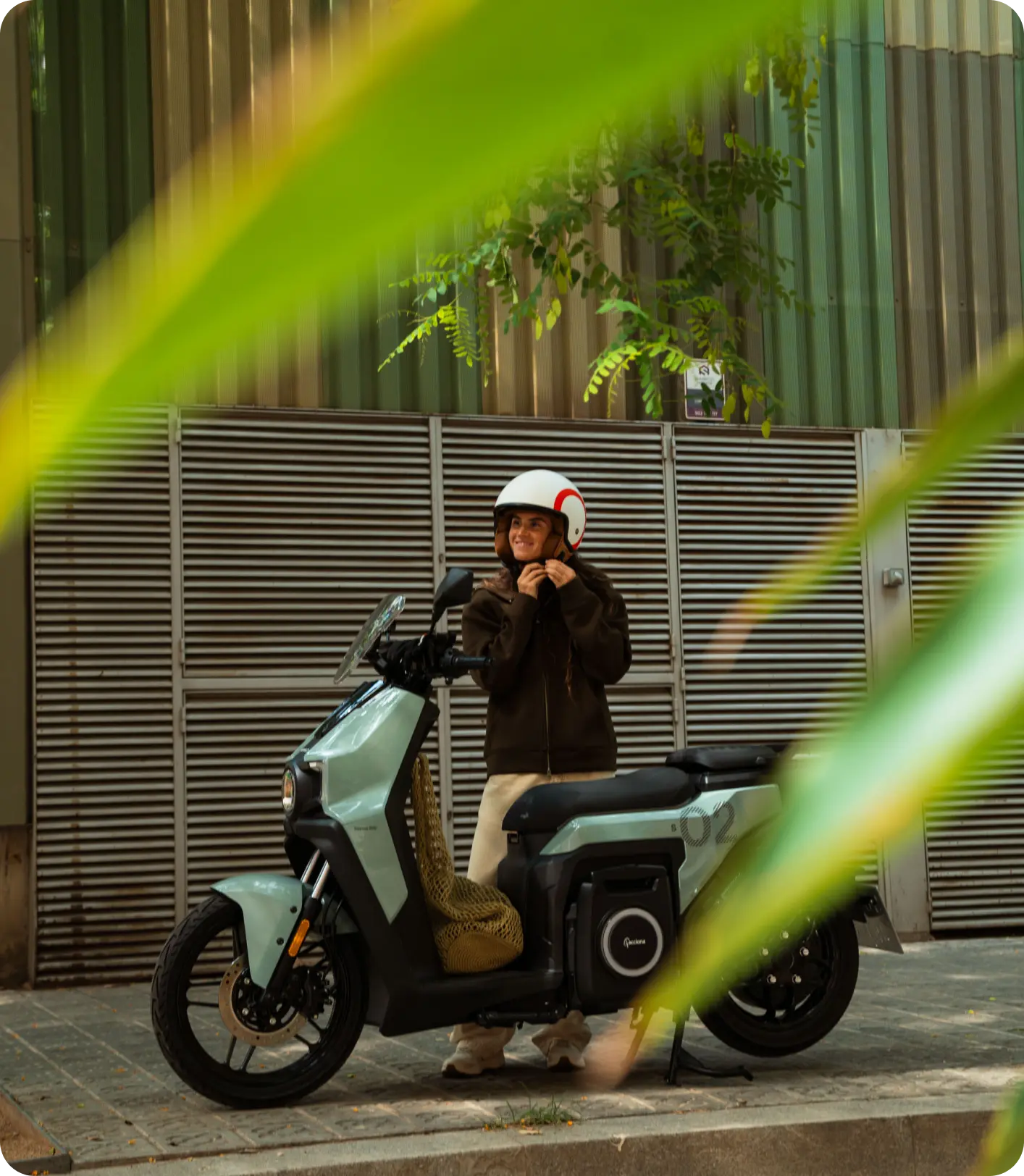
Protective measures and safety guidelines
Following these safety instructions is essential to protect your physical safety; this not only prevents accidents, it also guarantees that the functional characteristics of the battery are maintained over time.
Always use the charger that is approved by the manufacturer.
Using the wrong charger can lead to overcharging, undercharging, or battery damage.
Avoid touching the battery terminals with your hands or tools.
To prevent short circuits, electric shocks or other hazards, always use suitable personal protective equipment.
Avoid exposing the battery to extreme temperatures and humidity.
Heat, cold, and humidity can damage the battery and increase risks. Always store it in a safe, dry place.
Never open or try to repair the battery yourself.
Unauthorised repairs can lead to injuries, additional damage or serious safety hazards.
Regularly check the battery for damage.
Regularly check for signs of wear, leaks, corrosion or cracks to make sure that it's working properly and detect any problems early. If you notice any signs of a fault, replace the battery.
If you detect any smoke, a rise in temperature, strange smells or unusual noises,
leave the area as a precaution and contact the emergency services.
Emergency procedures
Battery-related incidents are extremely serious and require a rapid, technical response to protect all personnel. A specific risk assessment must be performed before dealing with the problem. Additionally, you must follow all protective measures and keep the device in a good state of repair. You must also act swiftly if there is an emergency.
In the event of:
Lithium battery spill
- When necessary, evacuate the area to avoid exposure to hazardous substances and request assistance from trained personnel.
- If trained personnel are available, they must use suitable Personal Protective Equipment (PPE) – e.g. nitrile or chemical resistant gloves, eye protection, a face shield and protective clothing – and use absorbent materials or specific spill response kits.
- Make sure that a full risk assessment is performed beforehand and handle the removal and disposal of the waste in a safe manner, strictly complying with the applicable legal and environmental regulations.
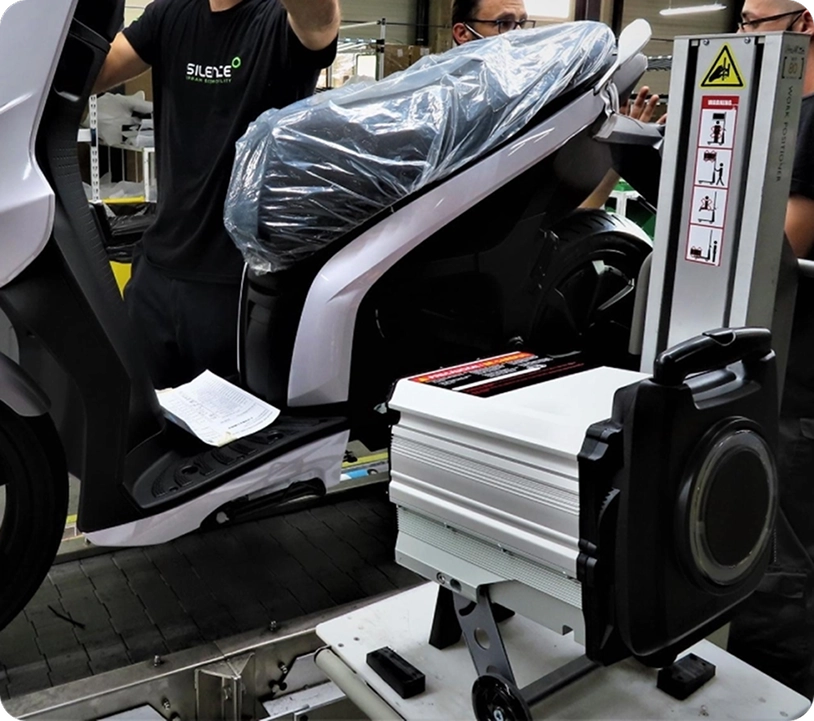
In the event of:
Thermal runaway, smoke, heat or hazardous conditions
- Immediately leave the vehicle or evacuate the area, moving people to a safe area and avoiding any inhalation of fumes or vapours at all times.
- Notify the fire emergency services, report possible thermal instability and clearly state that the incident involves an electric vehicle or battery.
- Only use handheld fire extinguishers if it is necessary to make evacuation routes safe during an evacuation.
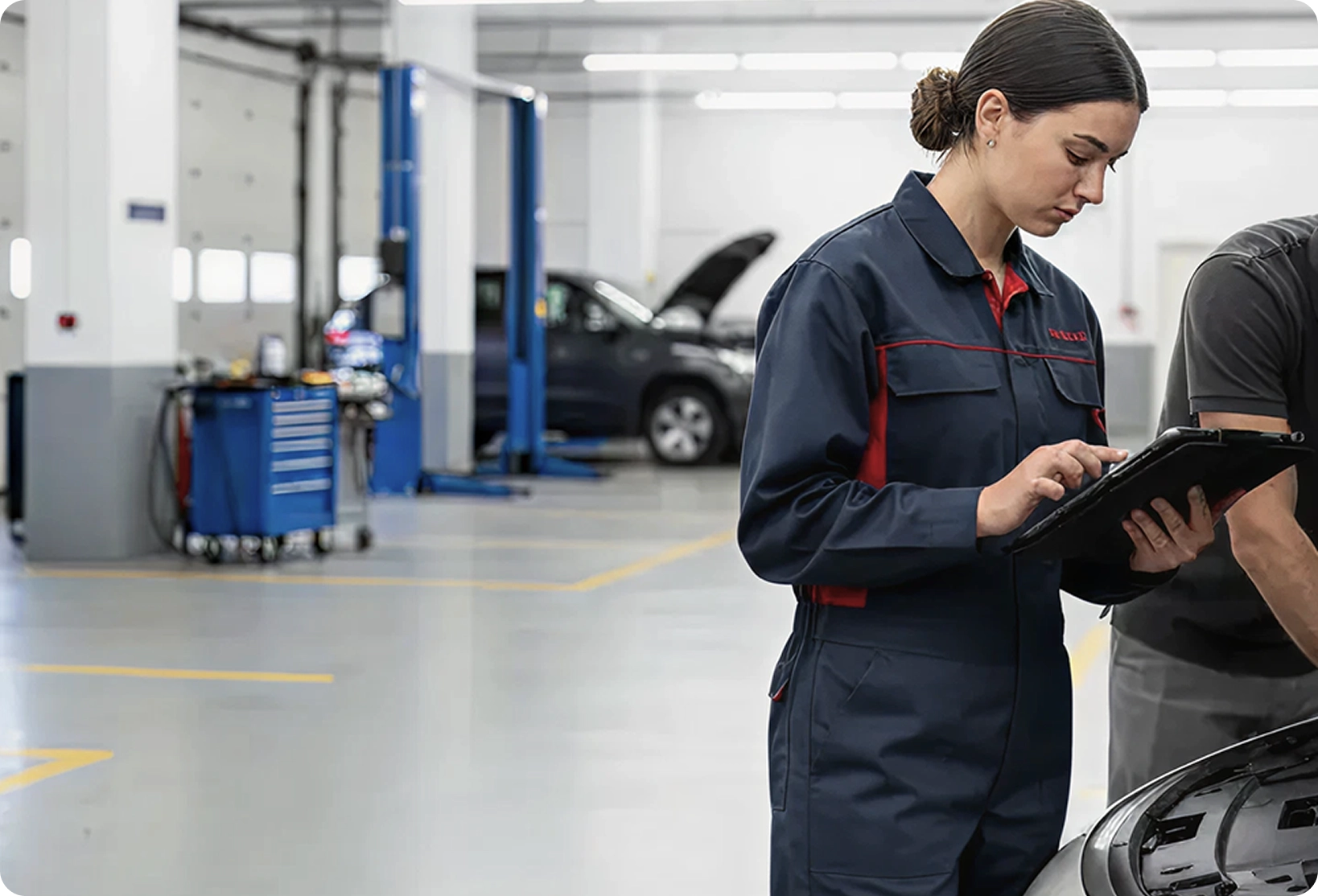
In the event of:
Accident / first aid
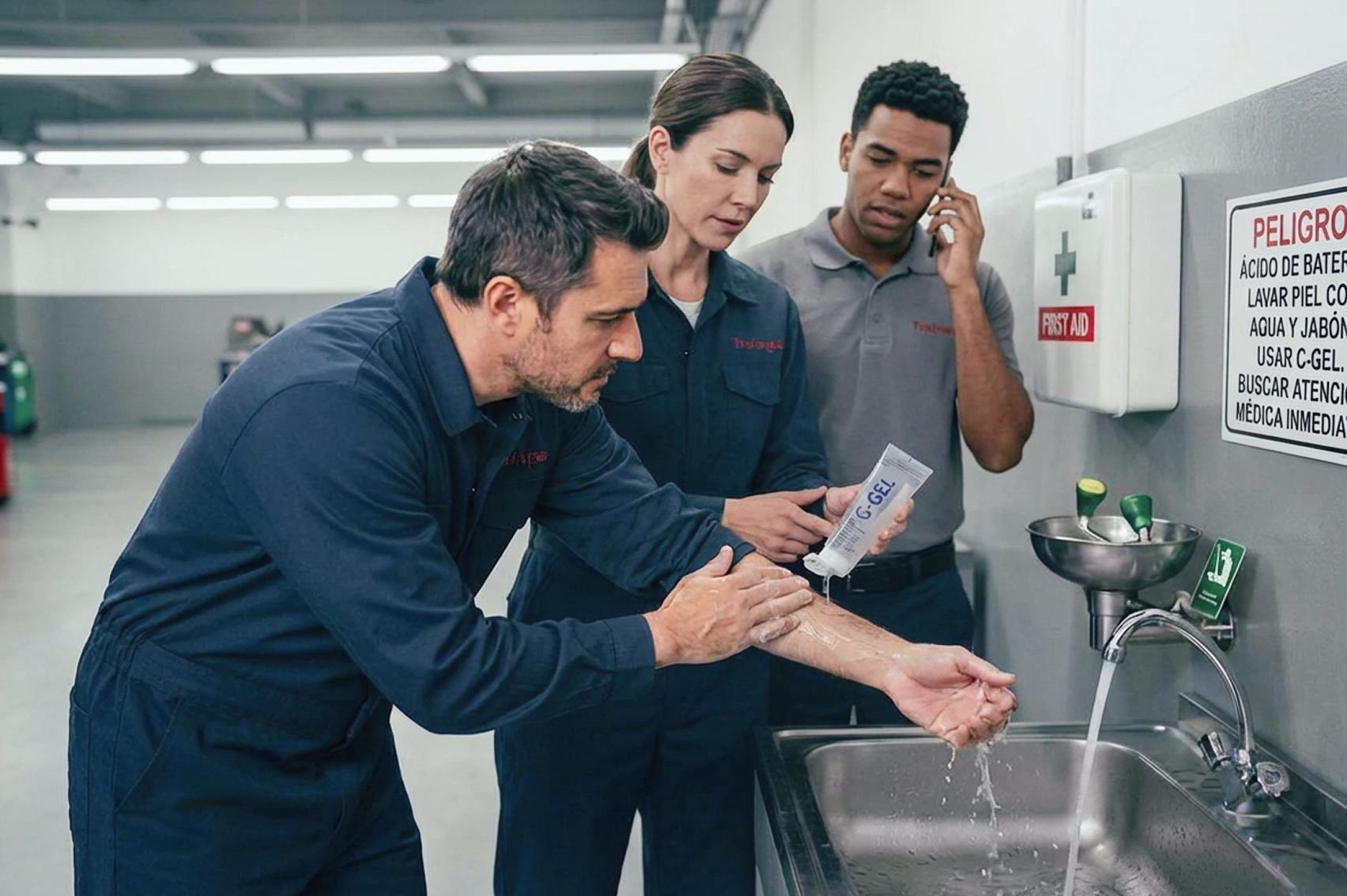
- If battery electrolyte comes into contact with eyes, immediately flush the eyes with plenty of water for at least 15 minutes and seek emergency medical attention.
- If substances from the battery come into contact with the skin, wash the affected area with soap and water, possibly applying C-gel or similar, and seek medical attention immediately.
Labels and symbols you might find on batteries
Battery
|
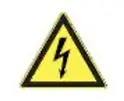
High voltage inside |
|
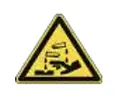
Battery acid - corrosive and poisonous |
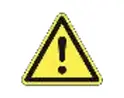
|
Caution, refer to documentation |
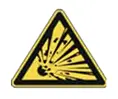
|
Risk of explosion |

|
No smoking - no open flames - no sparks |

|
Keep out of reach of children |

|
Protection required - eye protection must be worn |
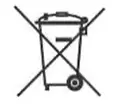
|
Do not dispose of as household waste. The battery must be taken to a special collection point. |

|
See operating instructions |

|
The product has been tested to meet high safety, health and environmental protection requirements in the EU |
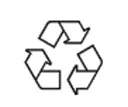
|
Recyclable battery - follow your local recycling procedures |